
Uncategorized
How to Stop a Tickly Cough: Effective Home Remedies and Fast Relief Tips
Jul
A tickly cough can be one of the most frustrating symptoms to deal with. Whether it’s keeping you awake at night, interrupting conversations, or making it difficult to concentrate, the constant urge to cough can quickly become uncomfortable. While there isn’t a guaranteed instant cure for every type of cough, several proven home remedies and self-care techniques may help soothe throat irritation and reduce coughing episodes.
In this guide, you’ll learn practical ways to relieve a tickly cough, discover common causes, and understand when it’s time to seek medical advice.
What Causes a Tickly Cough?
A tickly cough usually develops when the throat or airways become irritated. Common causes include:
- Viral infections such as the common cold
- Seasonal allergies
- Dry indoor air
- Postnasal drip
- Acid reflux (GERD)
- Dust, smoke, or other environmental irritants
- Talking or singing for long periods
Identifying the underlying cause is one of the best ways to choose the most effective treatment.
Quick Ways to Soothe a Tickly Cough
Although no remedy works instantly for everyone, these simple techniques often provide fast relief:
Sip Warm Fluids
Warm drinks such as herbal tea, warm water with honey and lemon, or clear broth can soothe throat irritation and help loosen mucus. Staying hydrated also keeps the throat moist, reducing the urge to cough.
Try Honey
Honey is a popular natural remedy that can coat the throat and reduce irritation. Adults and children over one year old may benefit from taking a spoonful of honey or adding it to warm tea. Never give honey to infants under 12 months due to the risk of infant botulism.
Suck on Lozenges
Throat lozenges or hard candies help stimulate saliva production, keeping the throat moist and temporarily easing a dry, tickly cough.
Breathe Moist Air
Using a humidifier or taking a warm shower can add moisture to the air, helping relieve throat dryness that often triggers coughing.
Avoid Irritants
Stay away from cigarette smoke, strong perfumes, dust, and other airborne irritants that can make a tickly cough worse.
Best Home Remedies for a Tickly Cough
Many people find relief using simple home remedies alongside rest and hydration.
- Drink plenty of water throughout the day.
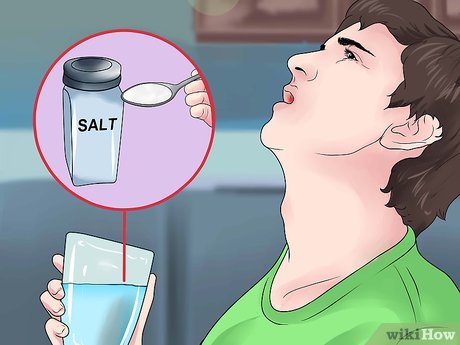
- Gargle with warm salt water to reduce throat irritation.
- Rest your voice if excessive talking has strained your throat.
- Sleep with your head slightly elevated if postnasal drip or acid reflux is contributing to your cough.
- Eat soothing foods like warm soup, oatmeal, or soft fruits.
These remedies may not eliminate the cough immediately, but they often reduce irritation and support recovery.
When Over-the-Counter Medicines May Help
If home remedies aren’t enough, over-the-counter cough remedies may provide temporary relief depending on the cause of your symptoms. Always read the label carefully and follow dosing instructions. If you have underlying health conditions, are pregnant, or are taking other medications, consult a healthcare professional before using new medicines.
When to See a Doctor
Seek medical advice if your cough:
- Lasts longer than three weeks
- Is accompanied by a high fever
- Causes difficulty breathing or chest pain
- Produces significant amounts of blood
- Continues to worsen instead of improving
- Occurs alongside unexplained weight loss or persistent wheezing
Prompt medical evaluation can help identify any underlying condition that requires treatment.
Tips to Help Prevent Future Tickly Coughs
You can reduce your risk of developing a tickly cough by:
- Drinking enough water every day
- Washing your hands regularly to reduce viral infections
- Managing seasonal allergies
- Using a humidifier during dry weather
- Avoiding smoking and secondhand smoke
- Treating acid reflux if it’s a recurring problem
Final Thoughts
A tickly cough can be irritating, but simple measures such as drinking warm fluids, using honey (for people over one year old), staying hydrated, and avoiding throat irritants often provide meaningful relief. While there is no universal instant cure, understanding the cause of your cough and using the right remedies can help you recover more comfortably. If symptoms are severe, persistent, or accompanied by warning signs, don’t hesitate to seek medical care for a proper diagnosis and treatment.
Visit: https://crownpharma.uk/
