
Uncategorized
TRT Dosages in the UK
Jul
If you’re researching TRT dosages, it’s important to understand that there is no single dose that works for everyone. Testosterone Replacement Therapy (TRT) is a prescription treatment designed to restore testosterone levels in men diagnosed with clinically low testosterone (hypogonadism). In the UK, TRT should always be prescribed and monitored by a qualified healthcare professional to ensure both safety and effectiveness.
What Determines TRT Dosages?
TRT dosages are tailored to the individual rather than chosen from a standard schedule. Healthcare providers consider several factors before recommending a treatment plan, including:
- Your blood testosterone levels
- Age and overall health
- Symptoms and their severity
- Medical history
- Response to treatment over time
- The type of TRT prescribed (gels, injections, patches, or capsules)
Regular blood tests and follow-up appointments help clinicians adjust treatment if necessary, ensuring testosterone levels remain within the target range while minimising potential side effects.
Read More: https://crownpharma.uk/
Types of TRT Available in the UK
There are several forms of testosterone replacement therapy available in the UK, each with its own advantages:
Testosterone Gels: Applied daily and designed to provide consistent testosterone levels.
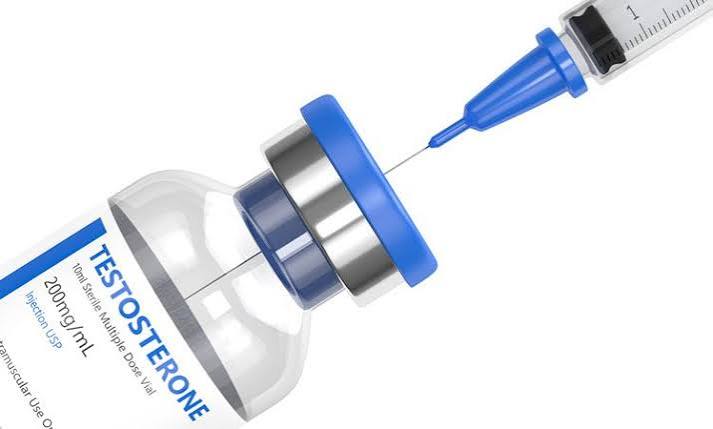
Injectable Testosterone: Administered at intervals determined by a healthcare professional. Some formulations are longer acting than others.
Skin Patches: Deliver testosterone through the skin over a specified period.
Oral Preparations: Available in certain circumstances and prescribed based on individual suitability.
Your clinician will recommend the option that best fits your medical needs and lifestyle.
Why Professional Monitoring Matters
TRT is not a one-time treatment. Ongoing monitoring is an essential part of therapy to evaluate effectiveness and reduce potential risks. During follow-up appointments, your healthcare provider may assess:
- Testosterone levels
- Red blood cell count
- Prostate health, where appropriate
- Liver function, if indicated
- Cholesterol and cardiovascular risk factors
- Symptom improvement and overall wellbeing
Routine monitoring allows treatment to be personalised while supporting long-term health.
Potential Benefits of TRT
When prescribed appropriately for men with confirmed testosterone deficiency, TRT may help improve:
- Energy levels
- Mood and mental wellbeing
- Libido and sexual health
- Muscle strength and body composition
- Bone health
- Overall quality of life
Results vary between individuals, and improvements often occur gradually under medical supervision.
Are There Any Risks?
Like any prescription treatment, TRT may not be suitable for everyone. Possible side effects and risks depend on the individual and should always be discussed with a healthcare professional before starting therapy. This is why regular monitoring and adherence to medical advice are essential throughout treatment.
Choosing the Right TRT Provider in the UK
If you’re considering testosterone replacement therapy, choose a reputable UK healthcare provider that offers:
- Comprehensive hormone testing
- Qualified medical assessment
- Personalised treatment plans
- Ongoing clinical monitoring
- Clear patient support and follow-up care
Avoid products marketed without a prescription or claims of “one-size-fits-all” dosing, as these may not be safe or appropriate.
Final Thoughts
Understanding TRT dosages starts with recognising that treatment is highly individualised. The most effective TRT plan is one developed by an experienced healthcare professional using laboratory testing, clinical assessment, and regular follow-up. If you suspect you have low testosterone, seek a professional evaluation rather than attempting to self-manage treatment. A personalised approach offers the best opportunity to improve symptoms while supporting your long-term health and wellbeing.
